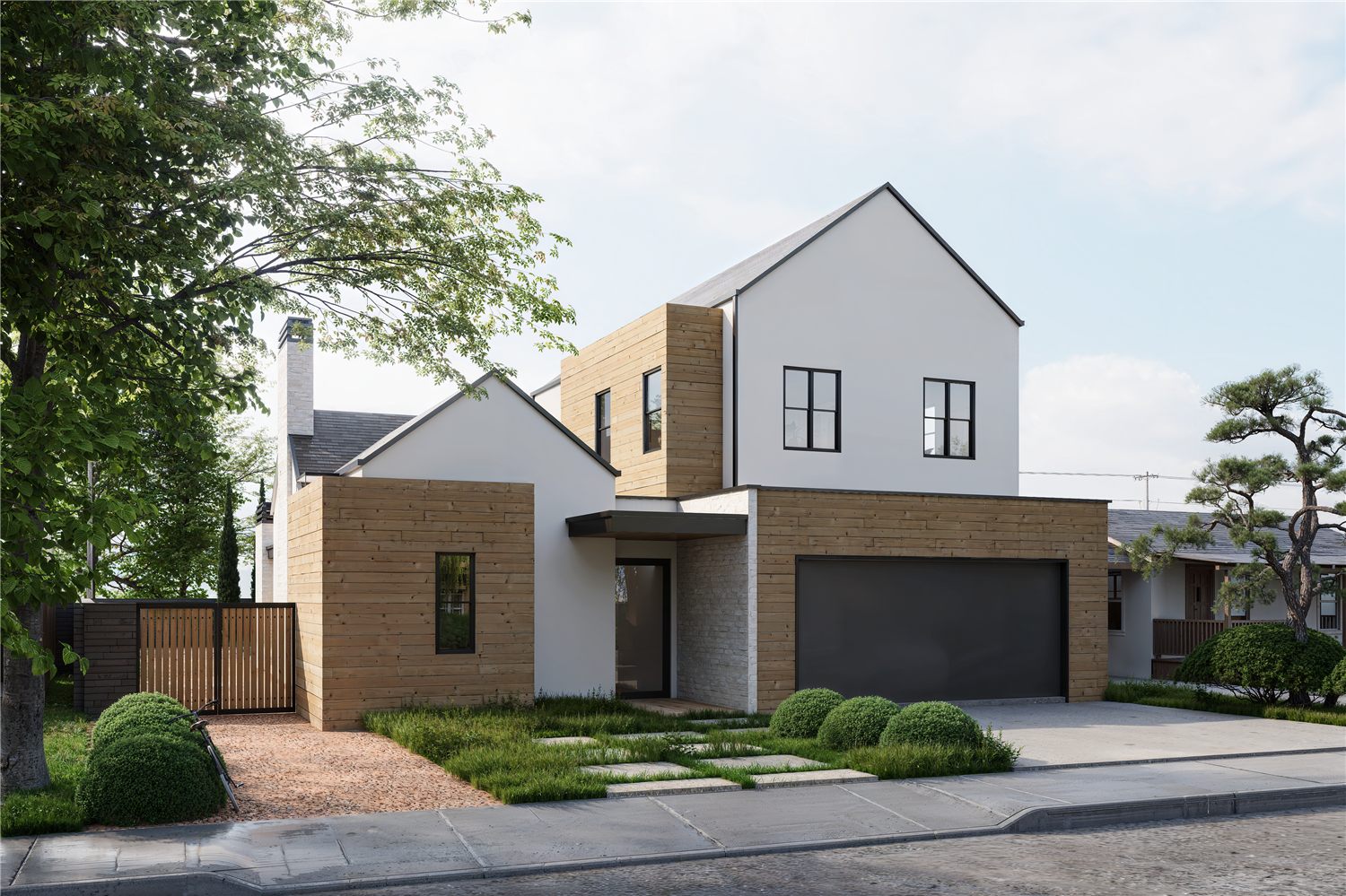
Tempe's ADU rules read a lot like Phoenix's on the pipes and wires, with two things layered on top: every casita must have its own address, and the City charges a water development fee whenever a project creates an additional dwelling unit, meter or no meter. Here is how each connection works on a Tempe lot, what we verify, and what it costs.
The short version
In Tempe, your ADU shares the sewer and water service your home already has, gets its own SRP or APS electric meter as our standard, and gets its own address because the City requires one for every ADU.
Tempe lots are older and tighter than most of the East Valley, which usually means shorter trench runs but more mature landscaping, hardscape, and older sewer pipe in the way. Distance is still the biggest driver of cost; existing conditions are a close second here.
Sewer: share the lateral
Tempe's zoning code requires residential sewer, water, and utility connections to the ADU "in conformance with City standards" (Tempe Zoning and Development Code 3-402). Your ADU connects to your home's existing sewer line on private property. The City's sewer code lets the City Manager decide whether a separate building needs its own tap to the main, but on a normal residential lot the shared lateral is the expected path, and we confirm it with the Permit Center at plan review. Sewer is billed on your water account, so there's no separate sewer account for the unit.
What we verify at the site visit:
- Grade. Sewer flows by gravity. If the ADU sits lower than your home's line, a small ejector pump may be needed.
- Pipe size and condition. We confirm a 4-inch line. Many Tempe homes date to the 1960s and 70s, so a camera inspection is common; damaged clay pipe is replaced as a change order.
- Easements. State law bars building an ADU over a public utility easement without written consent from the utilities that use it. We check the plat before we place the unit.
- Septic lots. Rare in Tempe, but if your home is on septic, Maricopa County Environmental Services reviews the system before the City will issue a permit.
Water: one meter, and a development fee to plan for
Your ADU tees off your home's water line after the existing City meter, with its own shutoff valve. Tempe's water code says multiple meters serving a single service aren't permitted unless the Community Development Director approves, so one meter per lot is the default. The City has told Council its existing infrastructure can handle ADU demand, and meter sizing is settled at plan review under the plumbing code.
- Water development fee. Tempe's fee code applies the water development fee to work on an existing home that "creates one or more additional dwelling units," which an ADU does, even without a new meter. It's charged by meter size and currently runs from about $1,650 at 5/8-inch to about $2,470 at 3/4-inch (Tempe fee schedule, Appendix A). The sewer development fee is currently set at zero. We confirm the amount with the Permit Center and pass it through at cost.
- Meter size check. If the combined fixture count exceeds your current meter, an upsize is required, and the City's tap and meter fees apply to the larger size.
- Optional private submeter. Renting the unit? A submeter on the ADU's line lets you track its water use and bill a tenant. The City doesn't read it; you do. Arizona's tenant-billing rules are in our separate meter vs. submeter guide.
Electric: its own meter, and its own address regardless
Tempe's ADU FAQ answers the separate-meter question with "refer to your utility provider's requirements," so the City neither requires nor blocks a second meter. SRP serves most of Tempe and APS serves a portion; either will set a second residential meter once the City has permitted the unit. A separate meter is our standard because it gives the casita its own bill and adds no load to your home's panel.
- SOKO applies to SRP or APS, and the utility sets the connection point. We trench and install conduit to their design; they pull wire and set the meter.
- Unique address, required. Tempe's zoning code requires a unique address for each ADU, posted near its entrance, whether or not it has its own meter. Building Safety assigns it during permitting, and SOKO handles the request.
- Plan on added utility lead time. Scheduling is set by SRP or APS, not SOKO.
Option: power from your home's panel
We can instead feed the ADU from your home's electrical panel, with one shared bill, when a load calculation shows your panel has room, usually a 200-amp service. It's often a fit for family or guest use, and if you have rooftop solar it's usually the better economics. Many older Tempe homes are on 100-amp or 125-amp service, in which case a new ADU meter is usually better value than upgrading the house.
What it costs in Tempe
Utility connections are priced per linear foot of trench plus fixed connection items. Your proposal shows the measured run lengths for your site.
Standard connections
| Item | Price | Includes |
|---|---|---|
| Sewer line, ADU to home's line | $65 / LF | Trench, 4" pipe, bedding, backfill, compaction |
| Sewer tie-in + cleanout | $1,200 each | Connection to your home's line, required cleanout |
| Water line, in shared sewer trench | $20 / LF | Pipe and fittings in the same trench as sewer |
| Water line, separate trench | $35 / LF | Trench, pipe, fittings, backfill |
| Water tie-in + ADU shutoff valve | $750 | Tee after your City meter, dedicated ADU shutoff |
| Electric trench + conduit | $40 / LF | Trench and conduit per SRP/APS design |
| New meter service + ADU panel | $6,000 | Meter base, main disconnect, ADU panel, grounding |
| ADU address (required for every Tempe ADU) | $350 | SOKO request and coordination with the City |
| Utility and City fees | At cost | SRP/APS and City of Tempe, including the water development fee, passed through with no markup |
Add-ons and site conditions
| Item | Price | When it applies |
|---|---|---|
| Water submeter on ADU line | $750 | Optional, for rental billing |
| Power from home's panel instead of new meter | $3,500 + $40 / LF | Optional, if load calc allows; replaces the $6,000 meter service (address is still required) |
| Sewer camera inspection | $350 | Older homes or unknown pipe condition; common in Tempe |
| Sewer pump (ejector) | $4,500 allowance | Only if the ADU sits too low for gravity flow |
| Water meter upsize | City fees at cost + $1,500 | Only if the fixture calculation exceeds your current meter |
| Caliche, rock, or hardscape removal | Cost + 25% | Found during excavation |
Example: a 40-foot run with shared sewer and water trench, a separate 40-foot electric trench, a new meter and the required address comes to about $13,300 before City and utility fees.
What moves the number
- Existing conditions. Old clay sewer pipe, a shallow lateral, and mature hardscape are the most common Tempe surprises, which is why we camera older lines before pricing.
- Distance. Every foot between your home's lines and the ADU is priced. We place the ADU and route trenches to keep runs short.
- Your water meter. An adequate existing meter means no upsize; the development fee applies either way.
- Utility requirements. SRP or APS sets the meter location and service route, which can lengthen the electric trench.
What this pricing assumes
- Pricing applies to City of Tempe projects. For other cities see our posts for Phoenix, Scottsdale, Mesa, Chandler, Gilbert, and unincorporated Maricopa County.
- Run lengths are measured at the site visit and confirmed on the permit site plan.
- Utility and City fees are billed at cost, as invoiced.
- Excludes gas service, relocation of existing utilities, landscape and hardscape restoration beyond the trench, and repairs to existing home systems.
- Requirements reflect Tempe Ordinance O2024.51 (Zoning and Development Code 3-402), the City fee schedule, and utility policies as of September 2026 and may change.
We run this for you
In Tempe the job is knowing what's under an older lot before you price it, then handling the address, the development fee, and the SRP or APS application so none of it lands on you mid-build. Building a casita in Tempe? Check your property or call 480-660-3133.
Sources: Tempe Zoning and Development Code Section 3-402; Tempe City Code Chapters 27 and 33 and Appendix A fee schedule; City of Tempe ADU page and FAQ; SRP Electric Service Specifications; Maricopa County Onsite Wastewater Guide for Homeowners. City policies, utility requirements, and fees change; verify current requirements with the City of Tempe and your utility before making design decisions. Pricing shown is SOKO's standard connection pricing as of September 2026 and is confirmed in your written proposal.